


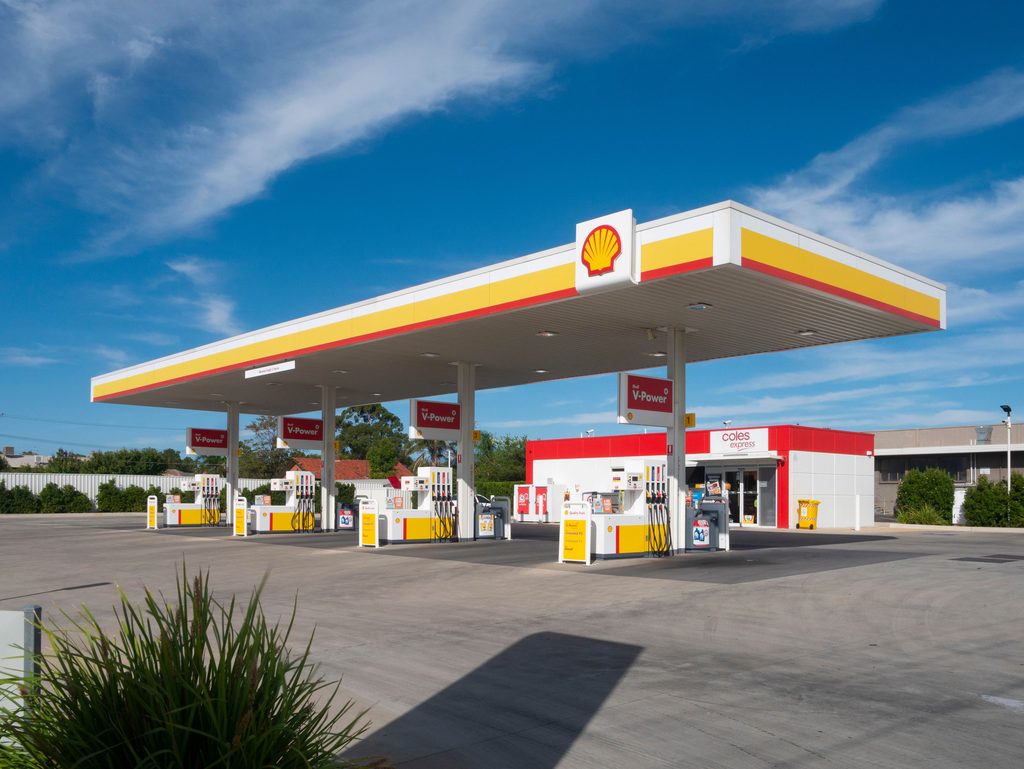
A fuel station in Gympie, QLD was leased in July 2024 on a 12-year term with four 5-year options. On paper, it’s a 12-year lease. In practice, it could run for 32 years, through to 2056.
That gap is why understanding lease term and options matters. Whether you’re buying a fuel site, a retail centre or a large format retail asset, the headline lease length rarely tells the whole story.
This guide explains how lease terms and options work in Australian commercial leases, how to read a structure like “12 + 4×5”, and what to check before you buy.
What is a Lease Term?
The lease term, often called the firm term or initial term, is the fixed period both parties are locked into. It runs from the start date to the expiry date written in the lease.
During the firm term, the tenant must pay rent and meet its obligations. In most cases, neither side can walk away early without breaching the lease or negotiating an exit.
In the Gympie example, the firm term is 12 years, from 8 July 2024 to 7 July 2036.
What are Lease Options?
A lease option, or option to renew, gives the tenant the right to extend the lease for a further set period once the firm term ends.
The key word is right. An option is the tenant’s choice, not an obligation. The landlord generally can’t refuse a validly exercised option, but it also can’t force the tenant to take one.
Options are common in Australian commercial leases, particularly for fuel stations, supermarkets and other tenants that invest heavily in fit-out or site infrastructure. Long option periods let those tenants protect their investment without committing to decades up front.
What Does 12 + 4×5 Mean on a Lease?
Leases are usually summarised as firm term + number of options × option length. So “12 + 4×5” means a 12-year firm term followed by four options of five years each.
For the Gympie fuel site, the full potential lease looks like this:
| Period | Years | Runs Until | Committed? |
|---|---|---|---|
| Firm term | 12 | July 2036 | Yes, both parties |
| Option 1 | 5 | July 2041 | Tenant’s choice |
| Option 2 | 5 | July 2046 | Tenant’s choice |
| Option 3 | 5 | July 2051 | Tenant’s choice |
| Option 4 | 5 | July 2056 | Tenant’s choice |
| Total potential | 32 | July 2056 |
Only the first 12 years are certain. The remaining 20 years depend on the tenant choosing to stay at each of the four option points.
Why Lease Options Aren’t Guaranteed Income
Each option is a decision point. At every expiry, the tenant weighs up the site’s trading performance, the rent it would pay, and alternatives nearby.
For a fuel station, that decision can be shaped by factors like:
- Changes in traffic flow, such as a new bypass or road upgrade
- New competing sites in the area
- Shifts in fuel demand, including electric vehicle uptake
- The cost of upgrading tanks, dispensers or the convenience store
- How rent is set at the start of each option period
A 32-year potential lease can become a 12-year lease if the tenant decides not to renew in 2036.
How Term and Options Affect Valuation and WALE
Because options aren’t guaranteed, valuers, lenders and buyers usually focus on the firm term when assessing income security.
This shows up in WALE, or weighted average lease expiry. WALE measures how long, on average, a property’s income is secured. It’s typically calculated to the end of the firm term, not the final option.
That means a 12 + 4×5 lease and a 32-year firm lease are very different assets, even though both could run to 2056. The firm lease locks in income for three decades. The option lease locks in 12 years, with upside if the tenant stays.
When comparing fuel sites, look at the remaining firm term first. Then treat the options as potential upside, not certainty.
What to Check in a Fuel Station Lease Option Clause
Option clauses vary from lease to lease, and some terms are affected by state retail leasing legislation. Before buying, work through a full petrol station lease checklist, and for options specifically, check:
- The exercise window. Most leases set a period before expiry when the tenant must give notice to exercise an option. Know the dates.
- Conditions on exercise. Many leases require the tenant not to be in breach or default when exercising an option.
- Rent at the start of each option. It may be a fixed increase, a CPI adjustment or a market rent review. Check whether rent can fall at review or is protected by a ratchet clause.
- Remaining firm term. For an existing lease, work out how many firm years are left, not just the original term.
- Make good and environmental obligations. If the tenant doesn’t renew, these clauses decide who pays for tank removal and site remediation.
Get legal advice on the lease itself before relying on any option period.
The Takeaway
A lease’s headline length and its secured length are two different numbers. In a 12 + 4×5 lease, 12 years are committed and 20 years are optional.
Read the firm term and the options separately, check the option clause, and value the income on what’s actually locked in.
LeaseInfo tracks lease terms, options, rent reviews and site data across more than 2,000 leases at Australian fuel sites, so you can compare a site’s lease structure against similar assets before you buy. Explore fuel lease data on LeaseInfo.
Lease Term and Options: FAQs
1. What does 10 + 5 + 5 mean on a lease?
It means a 10-year firm term followed by two 5-year options. The lease could run for up to 20 years if the tenant exercises both options.
2. Can a landlord refuse a lease option?
Generally, a landlord can’t refuse an option that the tenant exercises correctly and on time, provided the tenant meets any conditions in the lease. Check the lease and relevant state legislation for specifics.
3. Does WALE include lease options?
WALE is usually calculated to the end of the firm term. Some reports show a WALE that includes options, so check which method is used.