


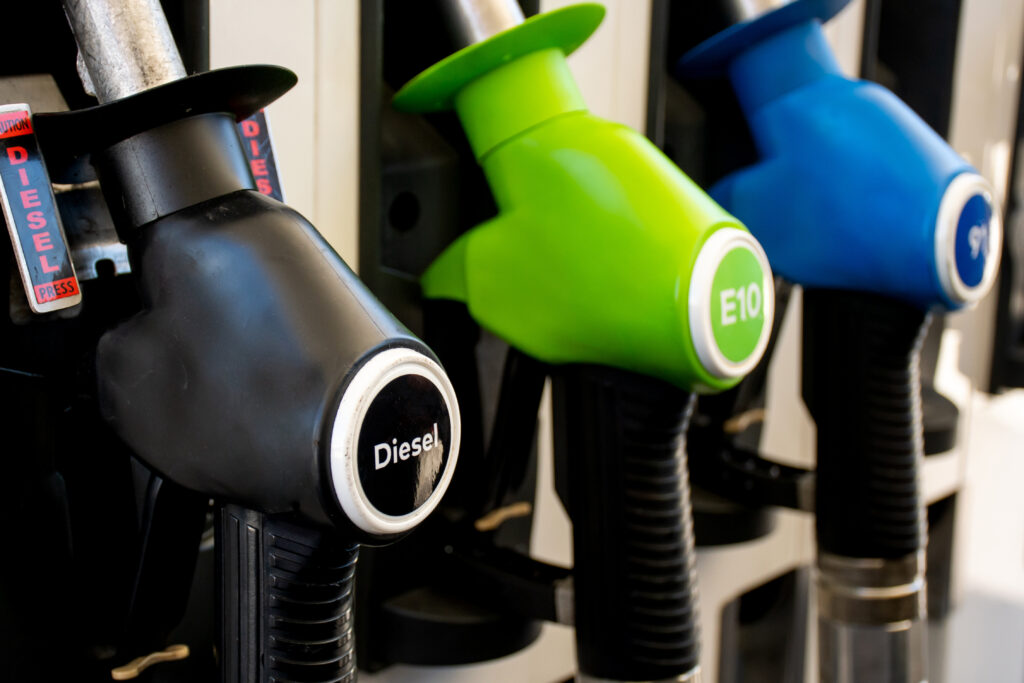
Petrol stations have become one of the most sought-after asset classes in Australian commercial property. Long leases, national brand covenants, and steady cash flow make them attractive to everyone from first-time investors to self-managed super funds. But the lease itself is where the real risk and value sit, get the lease details wrong and the rest of the deal doesn’t matter.
If you’re considering buying one, here’s what to check in the lease before you make an offer.
1. Freehold, Leasehold or Leaseback?
Before anything else, work out what you’re actually buying:
- Freehold with an existing lease — you own the land and building, and an operator (often a major fuel brand or franchisee) pays you rent. This is the most common structure for passive investors.
- Leasehold — you’re buying the business and operating it yourself under a lease from someone else. Higher involvement, higher potential return, higher risk.
- Sale and leaseback — the current operator sells the property to you and immediately leases it back, often for a long term. Common with major fuel brands looking to release capital.
Most investors chasing passive income go for freehold-with-lease. Make sure the listing is clear about which structure you’re looking at; it changes everything else on this list.
2. Who’s Behind the Lease?
The strength of the tenant matters as much as the property itself. There’s a real difference between:
- A company head lease — the fuel brand itself (for example, a major national operator) is the tenant, not a local franchisee. This is a stronger covenant and generally commands a lower yield, because the risk of default is lower.
- A franchisee lease — an individual or small operator runs the site under a franchise agreement, but they are the ones on the lease, not the parent brand. Higher yield, but higher risk if the franchisee’s business struggles.
Ask directly: who is named on the lease, and what happens to the site if that tenant walks away?
3. Lease Term and Re-Leasing Risk
Check the remaining lease term and any option periods. A site with 12 years remaining behaves very differently to one with 3 years left:
- Longer leases mean more certainty, but less flexibility to adjust rent to market.
- Shorter leases mean you’ll need a re-leasing strategy (and a plan for vacancy periods, marketing costs, and potential make-good obligations).
4. Rent Structure and Reviews
How the rent is set and how it changes over time has a big impact on long-term value:
- Fixed annual increases (e.g. a set 3–4% per year) offer predictability for both landlord and tenant.
- CPI-linked reviews track inflation but can lag behind market movements in either direction.
- Market reviews reset rent to current market value at set intervals, which can work for or against you depending on where the market sits at review time.
Also check whether the current rent is at, above, or below genuine market comparables. An “over-rented” site can look attractive on paper today but may face a rent drop (or a tenant walking away) at the next review or renewal.
5. Outgoings and Repair Obligations
Not all leases allocate costs the same way, and this directly affects your net return:
- Confirm who pays what — council rates, insurance, land tax, and day-to-day maintenance can sit with either the landlord or the tenant depending on the lease.
- Check repair and make-good clauses — what condition must the tenant return the site to at lease end, and who’s responsible for structural versus routine repairs during the term?
- Look for gaps — leases that are vague on responsibility for major repairs or plant and equipment can leave landlords exposed to unexpected costs.
A lease that looks like a strong yield can quickly become less attractive once you factor in what you’re actually on the hook for.
Do the Work Before You Offer
None of these checks are things you want to discover after signing a contract. Before making an offer on a fuel station, you should be able to answer:
- Who is the actual tenant, and how strong is that covenant?
- How much lease term is left, and is the rent at, above, or below market?
- How does the rent review structure work, and when’s the next one?
- Who is responsible for outgoings and repairs under the lease?
This is exactly the kind of information a well-maintained lease database exists to surface. Having covenant details, lease terms, and rent review structures in one place means you’re working from clear facts rather than piecing things together from multiple sources during a tight due diligence window.
Want to see a fuel lease database in action? Get in touch with our team for a demo.